
Complete Guide to Group Day Trips from Melbourne
Getting group travel in Melbourne right for a day trip involves more than picking a destination. The transport you choose needs to balance group size with comfort requirements, journey distance, and the specific demands of a full-day excursion. A corporate team-building day in the Yarra Valley has different needs from a school excursion to Phillip Island or a private group exploring the Great Ocean Road, and the right call on a charter bus in Melbourne can make a real difference to how the day feels.
Understanding how to make that decision means you arrive at the right vehicle and itinerary the first time, without overpaying for capacity you don’t need or discovering mid-journey that your transport can’t handle the route demands.
Planning Tip: Always confirm your vehicle can handle your chosen route, particularly for coastal or mountain roads. Not all buses are suited to narrow, winding routes, and confirming this upfront prevents disappointing itinerary changes on departure day.
Why Melbourne is Perfect for Group Day Trips
Melbourne’s geographic position offers exceptional day-trip diversity within a 90- to 180-minute drive radius. You can experience coastal drama, wine regions, wildlife encounters, mountain forests, and cultural attractions without requiring overnight accommodation. This concentration of experiences makes Melbourne group day trips uniquely appealing for both local organisations and interstate visitors.
The city sits at the intersection of multiple distinct regions: the Great Ocean Road stretches west along a dramatic coastline, the Yarra Valley wine country sits northeast, Phillip Island’s penguin colony anchors the southeast, and the Dandenong Ranges provide mountain forest experiences to the east. This geographic advantage means Victoria group tours can deliver completely different experiences on consecutive days without repeating routes or venues.
Accessibility from Melbourne CBD
Most major day trip destinations sit between 60 and 150 kilometres from Melbourne’s CBD, translating to comfortable 90 to 180-minute coach journeys. This distance works perfectly for day trips: long enough to feel like an escape, yet short enough to devote most of the time to the destination rather than transit. With Melbourne tour transport, groups depart after morning traffic clears, spend five to six hours at the destination, and return before evening peak congestion.
Year-Round Day Trip Viability
Victoria’s temperate climate supports year-round group excursions. Summer (December to February) is ideal for coastal trips and outdoor activities. Autumn (March to May) delivers spectacular wine region foliage and comfortable touring temperatures. Winter (June to August) brings snow to nearby mountains while coastal areas remain accessible. Spring (September to November) transforms gardens and national parks with wildflowers. This seasonal variety means charter bus Melbourne operators stay busy throughout the calendar, and your group always has appropriate destination options.
Popular Day Trip Destinations from Melbourne
These four destinations consistently rank as the most requested Melbourne group day trips, each offering distinct experiences that suit different group types and interests.
Great Ocean Road: Coastal Touring
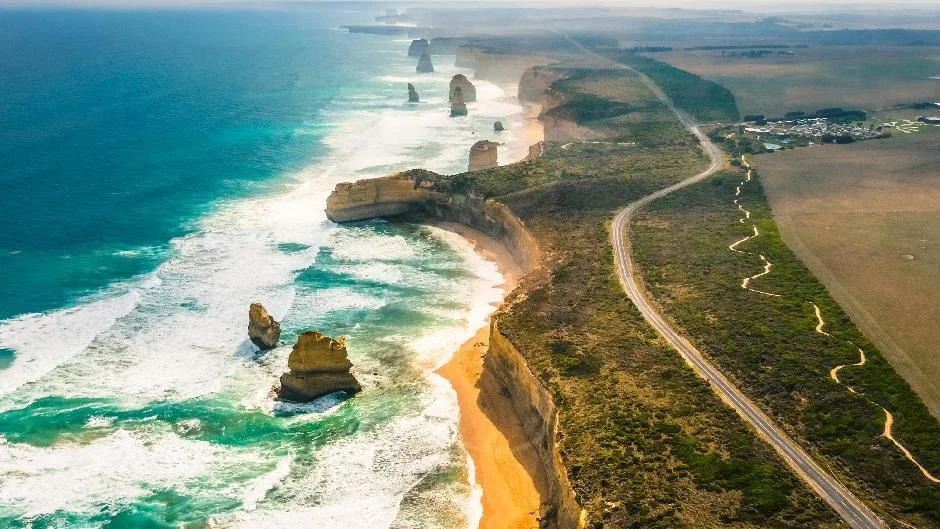
The Great Ocean Road stretches 243 kilometres between Torquay and Allansford, with the most dramatic section running between Anglesea and Port Campbell. For day trips, groups typically focus on the stretch between Torquay and the Twelve Apostles, covering approximately 200 kilometres return from Melbourne.
Key stops for Great Ocean Road day trips:
Torquay: Official start of the Great Ocean Road, with surf beaches and the Australian National Surfing Museum.
Anglesea: Golf course famous for resident kangaroos, popular for morning coffee stops.
Lorne: Coastal town with cafes, beaches, and waterfall walks. Common lunch location.
Apollo Bay: Fishing village at the base of the Otway Ranges, an alternative lunch venue.
Twelve Apostles: Iconic limestone stacks, the primary destination for most day trips.
Loch Ard Gorge: Dramatic coastal formation with shipwreck history, usually paired with a visit to Twelve Apostles.
Great Ocean Road vehicle considerations:
Winding coastal roads suit smaller buses (12 to 24 seats) better than full-size coaches for passenger comfort.
The total journey time from Melbourne CBD to the Twelve Apostles and return is 7 to 9 hours, including stops.
Car parks at major viewing platforms accommodate coaches, but arrival timing matters during peak summer and holiday periods.
For detailed guidance on choosing the right vehicle size for coastal routes, see our guide to choosing the perfect bus for your group.
Yarra Valley Wine Region: Premium Group Touring
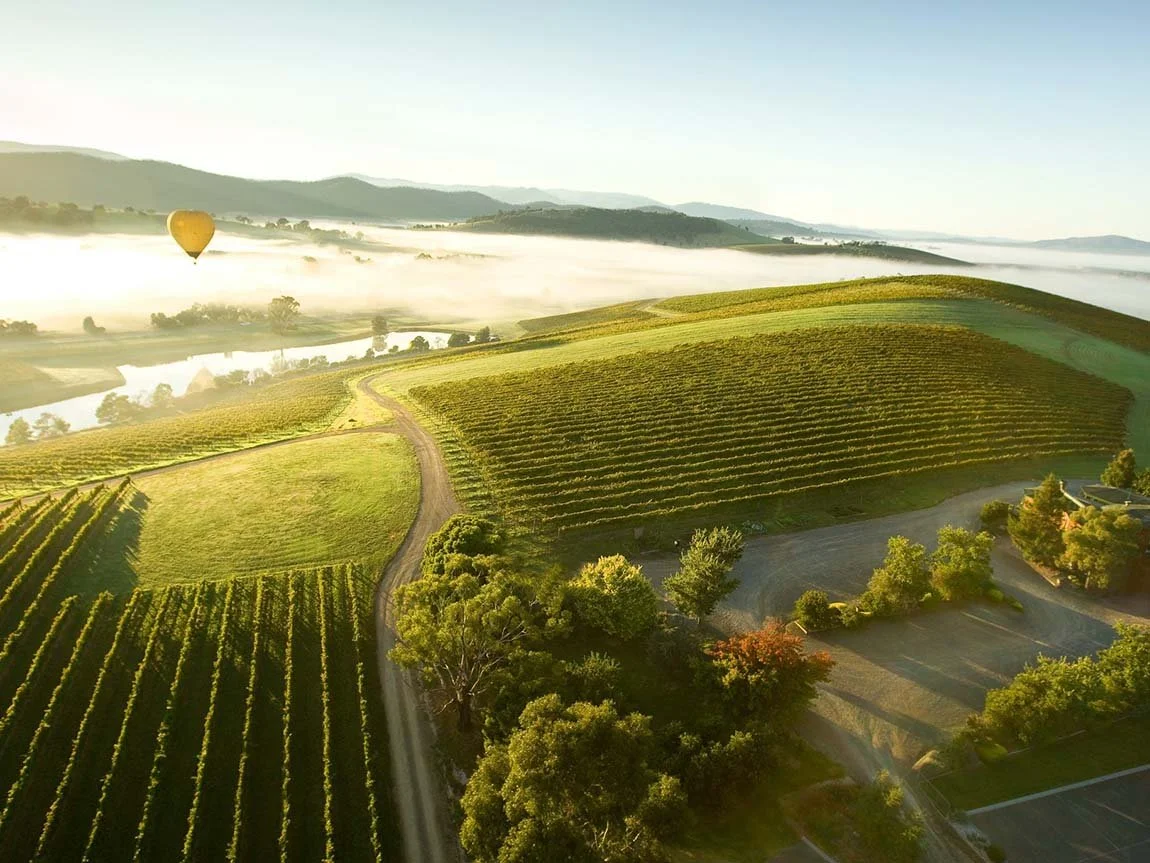
The Yarra Valley sits 50 to 70 kilometres northeast of Melbourne, making it the closest premium wine region to the city. This proximity supports leisurely day trips with time for three to four winery visits plus lunch at a vineyard restaurant. The region produces cool-climate wines, particularly Pinot Noir, Chardonnay, and sparkling varieties that rival international benchmarks.
Typical Yarra Valley itinerary structure:
9:00 AM: Depart Melbourne CBD, arrive at the first winery by 10:30 AM
10:30 AM to 12:00 PM: Two winery tastings (30 to 45 minutes each)
12:30 PM to 2:00 PM: Lunch at the Vineyard restaurant with wine matching
2:30 PM to 4:00 PM: Two additional winery visits or alternative attractions
5:00 PM: Return to Melbourne, arrive by 6:30 PM
Popular Yarra Valley additions:
Healesville Sanctuary: Native wildlife park for groups wanting animal encounters alongside wine tasting
Chocolaterie and ice creamery: Family-friendly stops that diversify adult-focused wine tours
TarraWarra Museum of Art: Contemporary art gallery for culturally focused groups
Corporate groups particularly favour Yarra Valley day trips for client entertainment and team building. The combination of premium wine, quality food, and scenic rural landscape creates an impressive hosting experience. For corporate-specific transport planning, our corporate coach hire Melbourne guide covers professional presentation standards and booking considerations.
Phillip Island Penguin Parade: Wildlife Day Trips
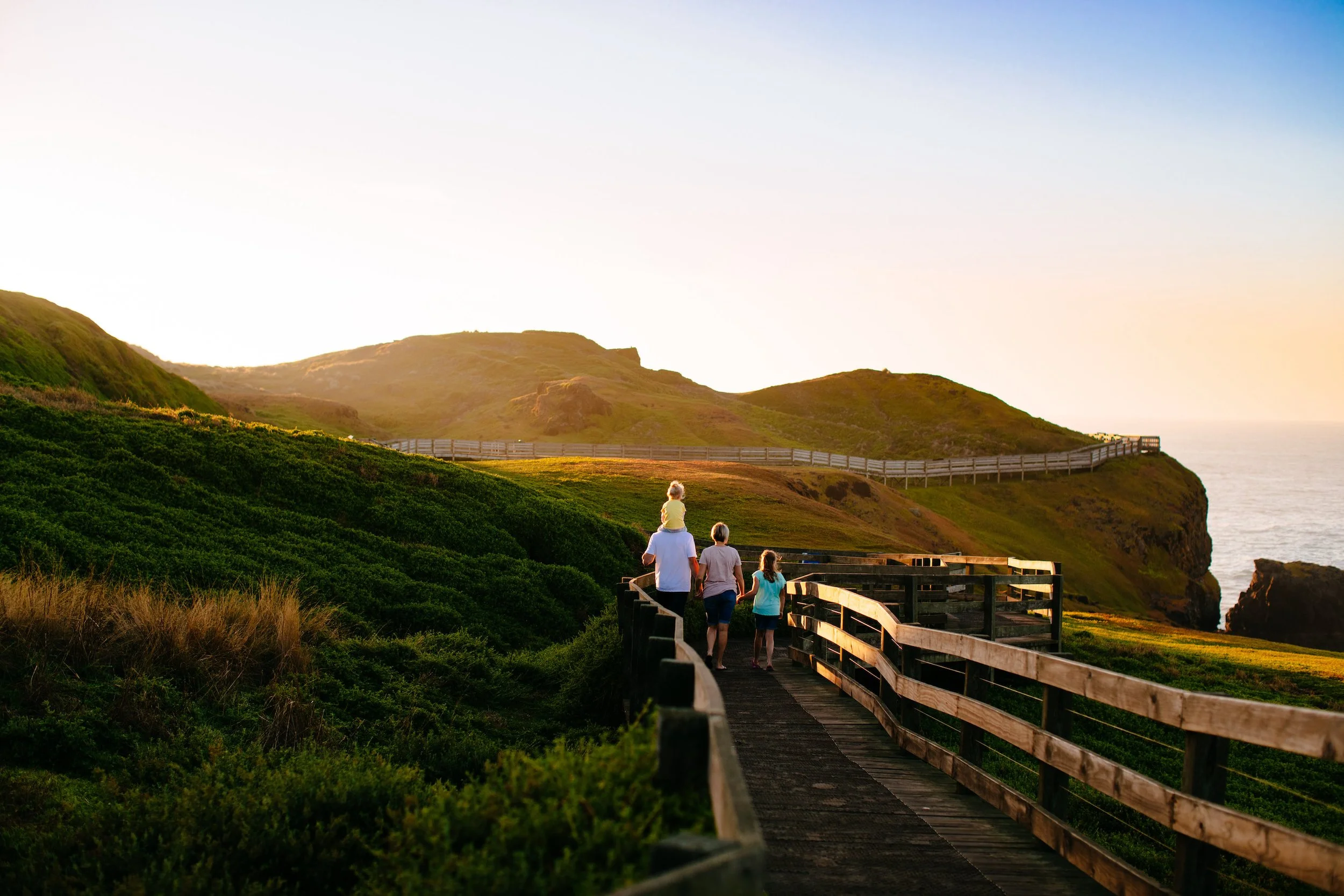
Phillip Island sits 140 kilometres southeast of Melbourne, famous for its nightly penguin parade where little penguins return to shore at sunset. Day trips combine the penguin viewing with the island’s other attractions: the Nobbies coastal boardwalk, Churchill Island Heritage Farm, and the Koala Conservation Centre.
Phillip Island requires evening timing: Unlike other day trips that return to Melbourne by late afternoon, penguin viewing requires groups to stay until after sunset year-round. Sunset times in Melbourne range from approximately 5:00 PM in winter to 8:45 PM in summer, which means return arrival in Melbourne can be as late as 11:00 PM during summer months. Confirm your group can accommodate this extended timeline before booking.
Typical Phillip Island itinerary:
11:00 AM: Depart Melbourne, arrive Phillip Island by 1:00 PM
1:00 PM to 2:30 PM: Lunch in Cowes (main town) or at Churchill Island
2:30 PM to 4:30 PM: Daytime activities: Koala Centre, Nobbies boardwalk, or Churchill Island farm
5:00 PM onwards: Dinner and wait for sunset penguin parade (timing varies seasonally)
After penguin parade: Return to Melbourne (2 to 2.5 hours depending on traffic)
Phillip Island suits school groups, family organisations, and tourist groups wanting iconic Australian wildlife experiences. The extended timeline makes it less suitable for weekday corporate events but works well for weekend leisure groups. For school group transport requirements, including supervision and safety compliance, see our school bus hire guide in Melbourne.
Dandenong Ranges: Mountain Forest Escapes
The Dandenong Ranges sit just 35 kilometres east of Melbourne, making them the closest natural escape from the city. The ranges offer mountain ash forests, historic gardens, quaint villages, and panoramic lookouts without the extended journey times of coastal or wine-region trips.
Dandenongs highlights for group day trips:
Puffing Billy Railway: Historic steam train running through the forest from Belgrave to Gembrook. Groups can book entire carriages.
SkyHigh Mount Dandenong: Observation deck with panoramic Melbourne views, gardens, and restaurant facilities.
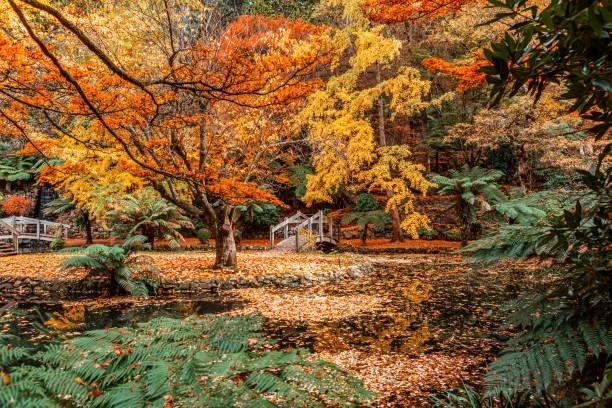
Alfred Nicholas Memorial Gardens: Established cool-climate garden with ornamental lake and forest walks.
Cloudehill Gardens and Nursery: Seasonal display gardens are particularly spectacular during spring and autumn.
Sassafras and Olinda villages: Historic township areas with cafes, galleries, and craft shops for lunch and browsing.
The Dandenongs’ proximity to Melbourne makes them suitable for half-day trips or for combining with attractions in the southeastern suburbs for full-day itineraries. The winding mountain roads suit smaller vehicles better than full-size coaches. Groups appreciate the Dandenongs as a forest-and-garden alternative to beach and wine-region options.
Benefits of Charter Bus Travel for Day Trips
Dedicated private bus charter in Melbourne delivers measurable benefits over coordinating multiple private vehicles or attempting group travel via public transport. These advantages compound over longer journeys and larger group sizes.
Cost Efficiency for Groups Over 10 People
The break-even point for charter bus Melbourne versus individual vehicles typically sits around 10 to 12 passengers. Beyond this threshold, the per-person cost of dedicated transport drops below the combined expense of parking, fuel, tolls, and the hidden costs of coordination complexity.
| Transport Method | 20 People to Yarra Valley | Hidden Factors |
|---|---|---|
| Personal vehicles (5 cars) | $500 to $700 (fuel + parking) | Coordination stress, stragglers, alcohol service issues |
| Rideshare / taxi | $800 to $1,200 | Return booking uncertainty, surge pricing risk |
| Charter bus (1 vehicle) | $550 to $800 | Fixed price, professional driver, group cohesion |
Social Cohesion and Group Experience
Shared travel creates unexpected social benefits. Groups bond during outbound journeys, building anticipation and energy. The return trip provides a natural space for a collective debriefing of experiences. This shared narrative strengthens team culture for corporate groups and enhances enjoyment for leisure travellers. You cannot replicate this cohesion when groups arrive across multiple vehicles within a 45-minute window.
Professional Driver Knowledge
Experienced drivers know the routes intimately. They recognise where the best photo stops sit, which rest areas have clean facilities, where traffic bottlenecks occur at different times of day, and which cafes can accommodate unexpected group refreshment stops. This local knowledge is invaluable when navigating unfamiliar regions and prevents the navigation errors that plague groups relying on phone GPS and unfamiliar drivers.
Alcohol Service Without Designated Driver Concerns
Wine region trips and celebrations involving alcohol require designated transport. Melbourne tour transport removes the designated driver problem entirely. Everyone enjoys the experience fully, safety is never compromised, and you avoid the social awkwardness of deciding who abstains or the expense of hiring multiple rideshare vehicles for return journeys.
Accessibility for Mixed-Ability Groups
Groups that include elderly members, people with temporary injuries, or passengers with mobility devices benefit significantly from dedicated transport. Modern coaches offer accessibility features that personal vehicles cannot match: low-floor entry, grab rails, and in some cases, wheelchair lifts. This ensures your entire group travels together rather than segregating members based on mobility capabilities.
Planning Group Travel from Melbourne: Practical Considerations
Successful Melbourne group day trips require planning beyond just booking transport. These practical considerations prevent common problems that derail otherwise well-organised excursions.
Booking Timeline and Peak Season Planning
Standard weekend bookings during off-peak months (May to August, excluding school holidays) typically secure vehicles with 4 to 6 weeks' notice. However, peak season creates different demands:
Summer weekends (December to February): Book 8 to 12 weeks ahead for coastal destinations
Autumn wine region trips (March to May): Vintage season creates high demand, book 6 to 10 weeks ahead
School holiday periods: All destinations see increased demand, book a minimum 8 weeks ahead
Major event weekends (Grand Prix, Spring Racing): Fleet availability drops, book 10 to 16 weeks ahead
Itinerary Timing and Venue Coordination
Confirm with your charter bus Melbourne operator whether your planned itinerary timing is realistic. Operators who know the routes can flag problems:
Insufficient time allowed for specific journey legs
Lunch venues that cannot accommodate your group size without advance booking
Attraction entry times that clash with your planned arrival
Seasonal sunset timing for Phillip Island that wasn’t factored into your schedule
Providing your full planned itinerary when booking allows the operator to offer these insights before departure day, when changes are simple, rather than mid-journey when they create stress and disappointment.
Weather Contingency Planning
Victorian weather changes rapidly, particularly along the coast and in mountain regions. Build weather contingencies into day trip planning:
Great Ocean Road: Coastal rain can obscure views and make outdoor viewing platforms unpleasant. Have alternative indoor stops planned (museums, cafes with views).
Dandenongs: Mountain fog occasionally reduces visibility to near zero. Confirm with your driver on departure morning whether conditions favour proceeding or switching to an alternative destination.
Yarra Valley: Vineyards operate in most weather, but outdoor activities or garden walks may need to be cancelled. Know which wineries have good indoor facilities.
Reputable operators monitor weather forecasts and contact you if conditions suggest route or destination changes would improve the experience.
Group Size and Vehicle Selection
Match vehicle size to your actual passenger count plus a modest buffer. The vehicle size guide from earlier applies, but day trips have specific considerations:
Great Ocean Road winding routes: Smaller buses (12 to 24 seats) provide better passenger comfort on continuous curves.
Yarra Valley wine tours: Groups of over 30 people should split into two smaller vehicles for winery capacity reasons
Phillip Island extended trips: Premium seating and amenities matter more for 12 to 14-hour days.
Dandenongs half-day trips: Standard vehicles work well; luxury specifications are less critical for 4 to 6 hour journeys
For detailed guidance on selecting the right vehicle for your specific group profile, see our comprehensive article on choosing the perfect bus for your group in Melbourne.
Corporate and Event Day Trips: Special Considerations
Corporate team building, client entertainment, and special event groups bring specific requirements that differ from standard leisure day trips. These considerations affect vehicle selection, itinerary planning, and booking terms.
Professional Presentation for Client-Facing Events
When clients or VIP guests form part of your group, vehicle quality directly influences perception. Premium private bus charter in Melbourne with leather seating, superior climate control, and spotless presentation demonstrates organisational standards. Driver professionalism (attire, punctuality, discretion) matters equally. Confirm these standards explicitly when booking rather than discovering on departure day that the vehicle or driver doesn’t meet expectations.
WiFi and Connectivity Requirements
Corporate groups often need to remain connected during transit. Confirm that vehicles offer working high-speed WiFi if your group requires it. Not all Melbourne tour transport includes functional internet; some operators advertise WiFi that is too slow for practical business use. Test this if connectivity is important to your event.
Alcohol Service Policies for Corporate Events
Corporate day trips to wineries or events involving alcohol require a clear understanding of operator policies. Most professional operators permit responsible alcohol consumption but reserve the right to refuse service if passenger behaviour affects safety or vehicle condition. Discuss your plans openly when booking, confirm the policy in writing, and communicate it clearly to your group before departure.
Invoicing and Payment Terms for Business Accounts
Businesses require proper invoicing for expense processing. Confirm that your operator provides:
Itemised quotes separating base rate, driver time, tolls, and GST
ABN and business registration details on invoices
30 to 60-day payment terms for established corporate accounts
Consolidated monthly billing if you book multiple trips
For comprehensive guidance on corporate transport planning, including regular shuttle services and conference logistics, review our corporate coach hire Melbourne guide.
Ready to Book Your Melbourne Group Day Trip?
Alston Coaches operates a modern fleet, ranging from 12-seat minibuses to 57-seat luxury coaches, across Melbourne and Victoria. Every booking for Victoria group tours includes fully accredited vehicles and licensed drivers, transparent itemised pricing with no hidden charges, WiFi, USB charging, and air conditioning as standard, and 24/7 support with backup vehicle arrangements.
Our drivers know every major day trip route from Melbourne intimately. They understand the timing of Great Ocean Road photo stops, which Yarra Valley wineries suit different group sizes, how to coordinate Phillip Island itineraries around seasonal sunset times, and where the best Dandenong lookouts are for panoramic city views.
View the full Alston Coaches fleet and request a quote, or call us directly to discuss your specific itinerary requirements, destination preferences, and group composition. We work with Melbourne corporate teams, schools, community groups, tourists, and private celebrations across all day trip destinations throughout Victoria.
Frequently Asked Questions About Melbourne Group Day Trips
q) How far in advance should we book a charter bus for a day trip from Melbourne?
a) For standard weekday or off-peak weekend bookings, 4 to 6 weeks' advance notice usually secures availability. For peak season weekends (December to February for coastal trips, March to May for wine regions), book 8 to 12 weeks in advance. School holiday periods and major event weekends (Grand Prix, Spring Racing Carnival) require 10 to 16 weeks' notice. Last-minute bookings within 2 weeks are sometimes possible, but you’ll have limited vehicle choice and may face premium pricing.
q) Can we change our itinerary or destination after booking?
a) Most operators allow itinerary changes up to 7 days before departure without penalty, provided the changes don’t fundamentally alter distance or timing (which could affect pricing and driver scheduling). Changes within 7 days are usually possible but may incur rebooking fees. Notify your operator immediately if your plans change rather than waiting until closer to the date. Major destination changes (switching from Yarra Valley to Great Ocean Road) may require repricing based on distance differences.
q) What happens if the weather makes our planned destination unsuitable?
a) Professional charter bus operators in Melbourne monitor weather forecasts and contact you 24 to 48 hours before departure if conditions suggest changes. Coastal fog, mountain rain, or extreme heat may make alternative destinations more enjoyable. Operators familiar with multiple routes can suggest alternatives that match your group’s interests. Final decisions rest with the group organiser, but experienced drivers provide valuable local knowledge about weather impacts.
q) Are meals and attraction entry fees included in charter bus pricing?
a) No. Melbourne tour transport pricing covers the vehicle, driver, fuel, tolls, and parking. Meals, winery tastings, attraction entry fees, and any activity costs are separate and paid directly by your group. Some operators can arrange package deals that bundle transport with venue bookings, but this is quoted separately. Always clarify what is included in your written quote to avoid confusion on departure day.
q) Can the driver recommend wineries or attractions we haven’t pre-booked?
a) Yes, experienced drivers know the regions and can suggest alternatives if you have flexible timing or if pre-booked venues are full or closed unexpectedly. However, don’t rely on this as your primary planning strategy. Popular wineries and restaurants require advance bookings for groups of 8 to 10 people. Drivers can facilitate spontaneous stops for photos, coffee, or browsing, but structured group activities (tastings, meals) need advance confirmation.
q) How do rest stops and bathroom breaks work on long day trips?
a) Drivers plan rest stops based on journey length and passenger comfort. Trips over 90 minutes each way typically include a scheduled rest stop with bathroom facilities. Drivers know which service centres, cafes, and public facilities can accommodate groups comfortably. If your group includes children, elderly passengers, or anyone with specific bathroom needs, notify the operator when booking so appropriate stop timing can be built into the schedule.
q) What size vehicle do we need for 18 people plus wine purchases?
a) For 18 passengers plus personal luggage and wine purchases, book a 24-seat mini coach rather than a 20-seater. This provides dedicated underfloor storage space for wine cases without compromising passenger comfort. Wine region trips generate substantial purchases (groups of 18 might buy 30 to 50 bottles collectively), and you need secure, temperature-stable storage. Discuss storage requirements explicitly when booking so the operator can provide the appropriate underfloor capacity.
q) Can we split a large group across two smaller buses for day trips?
a) Yes, and for groups of 35-40 people or more, splitting across two vehicles often improves the experience. Wineries and restaurants struggle to accommodate single groups of more than 40 people. Two groups of 20 to 25 passengers book tastings and meals more easily. The buses can travel together, allowing social mixing during breaks while maintaining manageable subgroup sizes at venues. For corporate events or school groups, splitting allows better supervision ratios and more personalised attention at each location.