
Bus Hire Melbourne Options for Every Group Size and Budget
Organising transport for a group in Melbourne means weighing up several bus hire Melbourne options to find what suits your numbers and budget. The right choice depends on factors like group size, journey distance, and what level of comfort matters for your specific event. Whether you're heading to a music festival, planning a corporate retreat, or coordinating a school excursion, understanding your options helps you book with confidence.
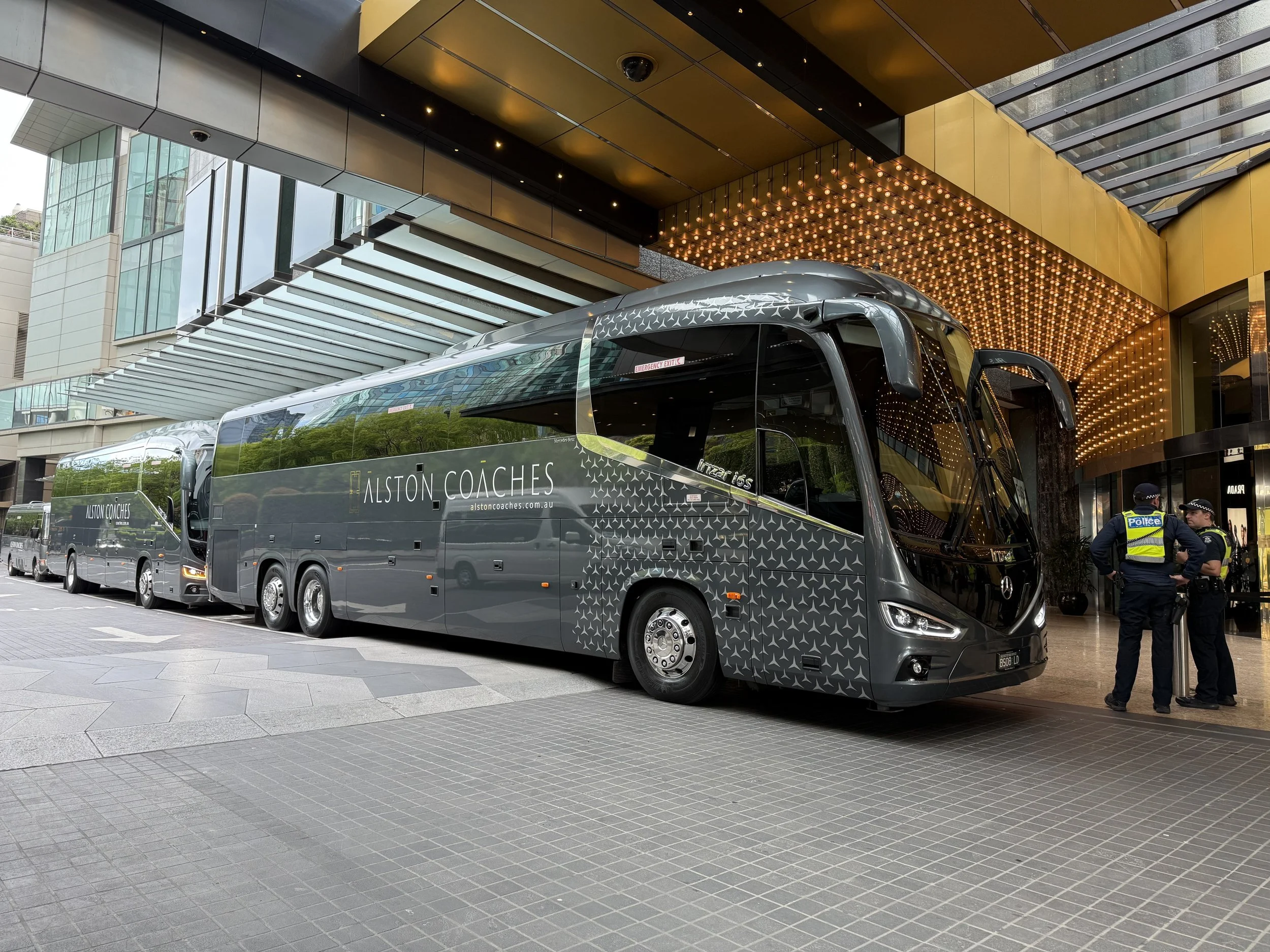
From 7 Seaters to 57 Seaters Explained
Bus sizes in Melbourne range from compact minibuses through to full-sized coaches, giving you flexibility to match your exact group numbers. A 7 seater works perfectly for small corporate teams or family groups, offering a comfortable upgrade from standard cars whilst keeping costs manageable.
Moving up to 12 and 24 seater buses opens opportunities for medium-sized groups like wedding parties, sports teams, or extended family gatherings. These sizes navigate suburban streets easily whilst providing proper coach comfort features like air conditioning, quality seating, and luggage space.
The larger 50 and 57 seater coaches suit school groups, corporate conferences, and major events where you're moving substantial numbers. These vehicles come equipped with toilets, entertainment systems, and reclining seats designed for longer regional trips. The key is honest group counting—always account for chaperones, teachers, or organisers who'll be travelling alongside your main group.
Professional operators help you size correctly during the booking process, often suggesting slightly larger vehicles to ensure comfortable spacing rather than cramming everyone in. This matters particularly on longer journeys where personal space affects everyone's experience.
Music Festival and Concert Transport
Melbourne's thriving music scene creates significant demand for group transport, especially when festivals are held at venues with limited parking or complicated public transport access. St Kilda Festival runs from 14 - 15 February 2026, drawing thousands to Barunah Plains in Western Victoria the kind of event where coordinated bus transport makes absolute sense.
Hiring a bus for festival transport removes the stress of navigating unfamiliar regional roads, finding parking in packed festival lots, and ensuring everyone gets home safely after a long day. You can arrange pickup times that suit your group rather than rushing to catch the last public transport option.
Concert transport into Melbourne venues like Rod Laver Arena or Marvel Stadium gets complicated when you're moving groups of 20 or more people. Coordinating multiple rideshares through city traffic proves expensive and time-consuming, whilst parking near these venues costs significantly and often requires walking considerable distances.
Buses drop you directly at venue entrances and collect from the same spot afterwards, keeping your group together throughout the event. This proves particularly valuable for corporate entertainment, where you want clients to be comfortable and impressed rather than stressed about logistics.
Interstate Trips Starting From Melbourne
Victoria's location makes interstate journeys viable for groups with proper transport planning. Buses can travel comfortably to destinations in South Australia, New South Wales, and even southern Queensland, though you'll want to plan overnight stops for longer routes to keep drivers fresh and passengers comfortable.
Popular interstate destinations from Melbourne include Adelaide (around 725 kilometres), Canberra (660 kilometres), and the New South Wales South Coast towns that Victorians favour for beach holidays. These journeys work well with modern coaches featuring reclining seats, toilets, and entertainment to break up travel time.
Interstate bus hire typically involves different pricing structures compared to day trips around Melbourne. You're paying for multiple days of vehicle and driver time, plus accommodation costs for drivers on overnight trips. However, when you calculate the alternative costs of coordinating multiple cars, fuel, tolls, and parking across several days, buses often prove more economical for groups over ten people.
Some operators specialise in interstate group travel and maintain relationships with accommodation providers along common routes. This experience proves valuable when planning complex multi-day itineraries where timing and rest stops matter for everyone's comfort.
Luggage Capacity for Overnight Journeys
Underestimating luggage space causes problems on multi-day trips. Modern buses include substantial luggage compartments underneath the passenger cabin, designed to handle standard suitcases and bags for the stated passenger capacity. However, if everyone brings maximum luggage, even these compartments fill quickly.
Communicate clear luggage limits when organising overnight trips typically one large case and one carry-on per person works for most buses. Groups with special equipment like sports gear, musical instruments, or camping supplies need to discuss this during booking so operators can suggest appropriate vehicles or arrange additional luggage transport.
The luggage capacity on a 24 seater differs significantly from a 50 seater, not just in compartment size but in how weight distributes across the vehicle. Professional operators understand these limitations and won't overload buses beyond safe operating parameters, so honest conversations about what you're bringing help everyone.
Some buses feature roof racks for additional storage, though these aren't standard across all vehicles. If you know luggage will exceed normal capacity, mention this early in the booking process rather than discovering problems on departure day.
Last Minute Versus Advance Bus Hire Bookings
Booking timelines directly affect availability and pricing. Melbourne's bus hire market sees heavy demand during school holidays, summer months, major sporting events, and festival seasons. If your travel dates fall during these peak periods, booking three to six months ahead gives you better vehicle selection and more competitive rates.
Last minute bookings defined as anything less than two weeks before your travel date limit your options considerably during busy periods. Operators might only have smaller or larger vehicles than you need, or you might face premium pricing for whatever remains available. Peak periods like Australian Open in January or Spring Racing Carnival in November book out months ahead for quality operators.
However, off-peak periods offer more flexibility. February, late April through June, and late August through early October typically see lower demand outside school holiday weeks. During these quieter times, you might secure bookings with just a week or two notice, though earlier remains advisable.
The booking process itself usually involves requesting a quote with your trip details, receiving pricing and vehicle options, paying a deposit to secure your booking, and settling the balance closer to your travel date. Understanding this timeline helps you plan payments and ensures you're not caught short on funds when final invoices arrive.
Looking to book reliable transport for your group? Visit Alston Coaches to explore their comprehensive fleet options from 7 to 57 seaters, all featuring modern Euro-6 emission standards and premium passenger amenities.